
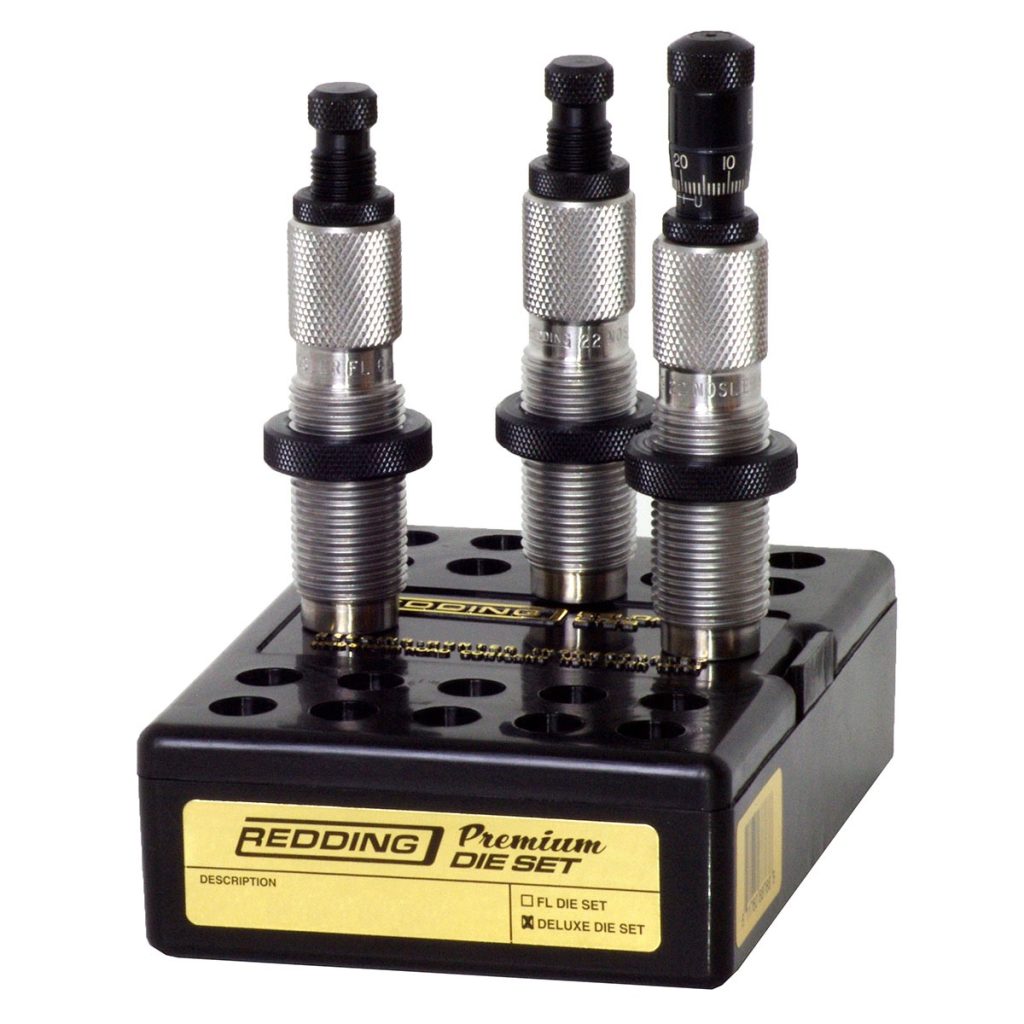
For many shooters, buying factory ammunition is the simplest and most convenient way to stay stocked up for the range or the field. But there is another option—one that offers more control, more customization, and often more satisfaction. That option is reloading (also called handloading). Reloading involves assembling your own ammunition from individual components: brass cases, primers, powder, and projectiles. While it may seem like a niche or technical activity, reloading has become increasingly popular among hunters, competitive shooters, and firearm enthusiasts of all experience levels.
If you’ve ever wondered whether reloading is worth exploring, here’s what you need to know.
What Is Reloading?
Reloading is the process of taking a fired cartridge case and preparing it to be safely fired again by adding a new primer, powder charge, and bullet. At its most basic level, it is a mechanical process guided by precision and consistency.
A typical reloading cycle includes:
- Cleaning and inspecting brass for defects.
- Resizing and decapping (returning brass to its original dimensions and removing the spent primer).
- Priming the brass with a fresh primer.
- Charging the case with a measured amount of powder.
- Seating and crimping the bullet.
The tools required range from simple single-stage presses to high-output progressive presses capable of producing hundreds of rounds per hour. Regardless of the setup, the goal remains the same: to produce safe and reliable ammunition tailored to the shooter’s needs.
Why Should a Shooter Consider Reloading?
1. Cost Savings — But With Nuance
One of the biggest motivations for new reloaders is cost. In many calibres, especially bottleneck rifle cartridges like .308 Win, .300 Win Mag, or 6.5 Creedmoor, reloading can significantly reduce the cost per round once equipment is paid off. Brass can be reused multiple times, and buying components in bulk helps keep the price down.
However, not all ammunition offers equal savings. High-volume, low-cost calibres such as 9mm or .223 Rem may produce only small savings unless the shooter consumes very large quantities or reloads speciality rounds.
Reloading is not “cheap” upfront—presses, dies, scales, calipers, case trimmers, and tumblers add up quickly. The real value shows over months or years of consistent use.
2. Improved Accuracy and Customization
Factory ammunition must work in a wide variety of firearms. Reloading allows you to craft ammunition specifically tuned to your firearm. You control:
- Cartridge overall length (COAL)
- Bullet selection
- Powder type and charge weight
- Neck tension and crimp
- Brass preparation and uniformity
These variables directly affect internal ballistics and shot-to-shot consistency.
For hunters seeking the most reliable expansion, target shooters chasing tight groups, or long-range competitors minimising extreme spread and standard deviation, reloading offers an unmatched ability to fine-tune performance.
This level of control is often the primary reason serious shooters begin reloading—and rarely look back.
3. Availability and Self-Sufficiency
In times of supply chain disruption or political uncertainty, ammunition availability can become unreliable and prices can spike. Reloading allows shooters to maintain a stable supply of ammunition, especially for hard-to-find calibres or discontinued loads.
For wildcat cartridges, obsolete rounds, or niche hunting calibres, reloading may be the only practical way to keep shooting.
Reloading also adds a rewarding layer of independence—many shooters enjoy knowing they can produce their own ammunition without relying solely on commercial supply.
Safety Mindset: The Most Important Part of Reloading
Reloading is extremely safe when done correctly, but it requires a disciplined and methodical mindset. Safety is not optional—it is the foundation of the entire activity.
Key safety principles include:
- Follow published load data from reputable reloading manuals—never guess.
- Stay organised. Avoid mixing powders, primers, or components.
- Double-check every powder charge to prevent under- or over-loading.
- Inspect brass carefully for cracks, loose primer pockets, or other defects.
- Keep distractions to a minimum when working at the bench.
A good reloader respects the process and works slowly, deliberately, and consistently. If you can maintain that level of attention, reloading becomes a safe and enjoyable hobby.
Is Reloading Always the Best Option?
Reloading is not for everyone. It requires time, patience, and upfront investment. The best option depends on your needs as a shooter.
Reloading might be best for you if:
- You want maximum accuracy and ammunition tailored to your firearm.
- You shoot medium to high volumes.
- You enjoy technical or hands-on hobbies.
- You want greater independence from factory ammo availability.
- You use expensive or niche calibres.
Factory ammunition may be better if:
- You shoot only occasionally.
- Your goal is convenience rather than customization.
- You do not have the space for a reloading bench.
- You prefer to avoid the investment in tools and consumables.
There is no “right” answer—only what suits your shooting style, budget, and interest level.
Final Thoughts
Reloading is more than a way to save money—it’s a craft. It offers shooters a deeper understanding of ammunition, improved accuracy, and the satisfaction of producing something with their own hands. For many, it becomes just as enjoyable as the shooting itself.
Whether reloading is right for you depends on your goals, but if you value control, consistency, and self-reliance, it may be one of the most rewarding skills you add to your shooting journey.